
 11
11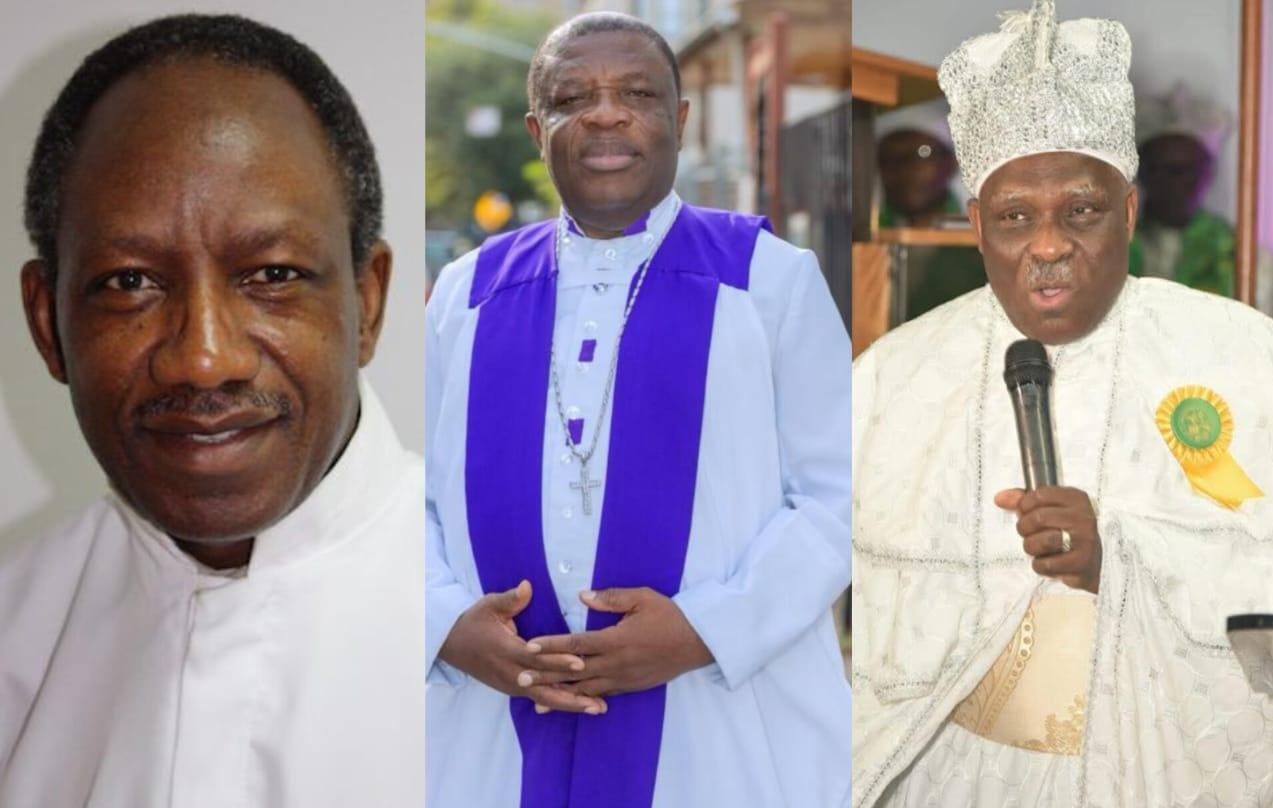
Diaspora leaders of the Cherubim and Seraphim Church have called for greater unity among the various arms of the denomination and the sustained preservation of its history as the church begins its second century.
The leaders made the call during separate interviews with this platform.
The Cherubim and Seraphim Church, founded in 1925 by Saint Moses Orimolade Tunolase, marked its centenary in 2025. This was followed by its first post-centenary anniversary on September 9 this year.
However, the leaders said the post-centenary anniversary should be seen as the beginning of another chapter, with the church expected to preserve its identity while adapting to the demands of a changing world.
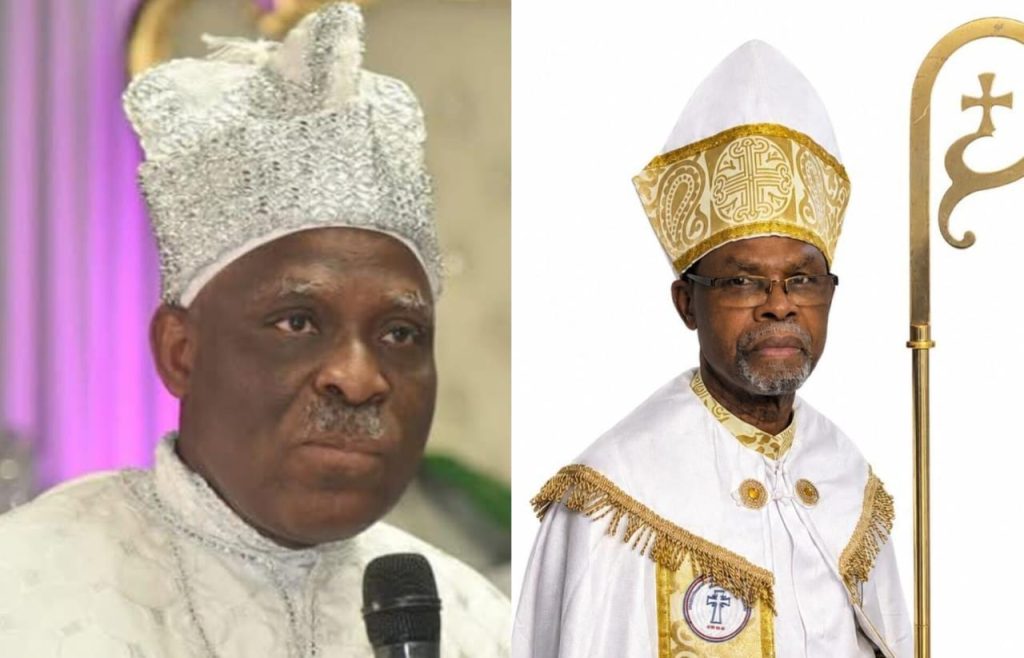
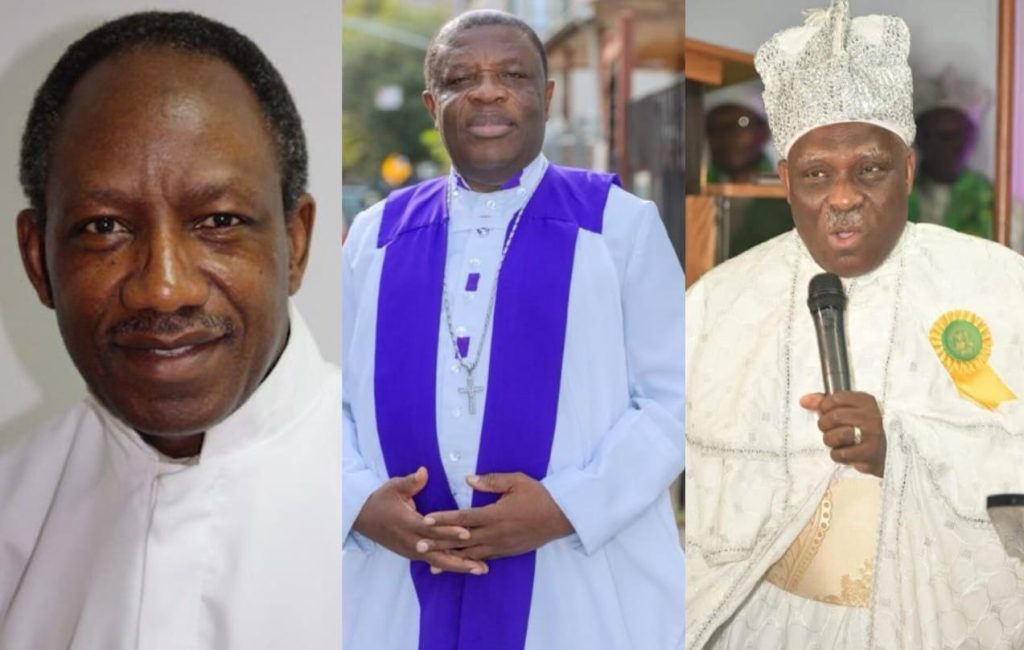
The Chairman of the C&S Council of Churches in the USA, Apostle General Dr Francis, described the first post-centenary celebration as a “new beginning”, saying the church had more work to do.
According to him, the post-centenary period should mark the beginning of a new era in which members would work towards greater unity.
He said, “I think it should be a celebration to recognise a new beginning, showing that we still have more to do. After the first 100 years, now we’re counting another 100 years, so there’s still much to do. We have not completed the task of making C&S Church an outstanding Christian denomination.”
“What it stands for, for me, is that it’s another beginning. We’ve ended one chapter, so we’re starting a new chapter now. It’s a new beginning, a new era whereby the task of bringing everyone together on board as a unit, as one body,” he added.
Elder Okhiria also expressed concern about the preservation of the church’s history, while he argued that it had not done enough to ensure that younger generations had access to an authoritative account of its past.
He said different versions of the church’s history had been passed from one generation to another, creating disagreements and, in some cases, discouraging people from identifying with the wider C&S family.
“I think the church has not done enough, in the sense that, in terms of history, we’ve handed down different versions of history to those who are coming down. The different accounts had sometimes “caused mire, animosity” and contributed to disinterest among some members.
He urged the church to approach its diversity as a source of strength rather than division.
“This time around, I believe we should do something different, whereby we don’t see each other as different; we just have to see ourselves as one.
“That diversity should be used to harness the same as well. It should not be used as a destructive weapon. It should be used to harness unity,” Francis said.
Similarly, the leader-in-charge of CSMC USA/Canada Headquarters, Pastor Afolabi Ayedun, said the church needed to move beyond celebrations and establish systems that would transfer its history and values to future generations.
Ayedun, who had served as the personal secretary to Baba Aladura Gabriel Kassim for 42 years, said the centenary celebration had demonstrated the sacrifices and hard work of previous generations, but the challenge was how to transfer that heritage to the next generation.
“The 100 years have demonstrated the hard work of those who passed on the mantle unto us. That is the affirmation of the celebration from my point of view.
“Now, what is the challenge? What inspiration, what system, what process is in place to transfer to the next generation? That’s the area where we need to focus upon,” he queried..
Ayedun called for more education about the history of the church and the application of lessons from its past to present-day challenges.
As the church enters another century in an era of rapid technological change and shifting social values, Ayedun said its biblical foundation should remain central to its identity.
He also cited the biblical instruction to Joshua to meditate on the Book of the Law, saying the church needed continuous teaching and adherence to its doctrine as it moved into its next century.
With concerns about the future of the denomination, Ayedun identified young people as critical to the survival and growth of the church.
Ayedun said the post-centenary journey should be used to capture and inspire young people.
He said the church must create opportunities that would encourage younger members to identify with its mission and participate actively in its activities.
Ayedun also acknowledged the opportunities presented by digital technology to strengthen evangelism and communicate the church’s message beyond its physical congregations.
He said the experience of the COVID-19 pandemic demonstrated how technology could help churches reach people who were unable to attend physical services.
.
He urged the church to examine how emerging technologies, including artificial intelligence, could be incorporated into its activities and services.
“The digital age helps to evangelise without spending much. We need to study how best that can improve the services in our churches and how best we can incorporate it in our day-to-day life,” he said.
The head of Sacred C&S in the United States and Vice Chairman of the C&S Council of Churches, Prophet Steve Famodimu, has called for greater unity among C&S body in the United States.
He said the church must do more to project its identity as a Bible-based Christian denomination.
Famodimu said the church needed to make greater use of the media to explain its identity and correct misconceptions about its practices.
“I hope that we continue to make sure that the C&S is known worldwide. Not only as a white-garment church, but as a church that is centred on the Bible. We need to publicise the C&S more. Using all types of media to let the world know what we stand for,” he said.
He also said historical materials produced by earlier generations should be preserved and made available to young people.
“We have the history of C&S, but we need to make it known to all our younger ones so that we know the true history of C&S,” he said.
Famodimu further called for unity among the various C&S denominations and movements in the United States.
He said the different groups should work towards operating under a stronger umbrella while maintaining the church’s established traditions.
“I sincerely pray that everything can be just one. And that, you know, we are trying to make our unity very important, especially in the United States,” he said.
He added that the various C&S churches in the US already participated in one another’s activities but said greater cooperation would strengthen the movement.
“We have a council, which all our churches are involved. The C&S Church, the Eternal C&S Church, the C&S Movement, C&S Mojesu, the Plain Band, and some other independent churches. We are all together,” he said.
On the transition in the leadership of the US Council of Churches following Kassim’s emergence in a wider leadership role, Kwamudimu said the council would continue to support him.
“Our father is, even though he’s going to be the Baba Aladura of the movement, he’s still going to be part of the US,” he said.
“Whatever role he wants us to play, we will. I’m quite sure that our current chairman and the General Secretary and myself and all of our leaders will give him the total support.”